Author: Ivan Cornut

  • Don’t litter

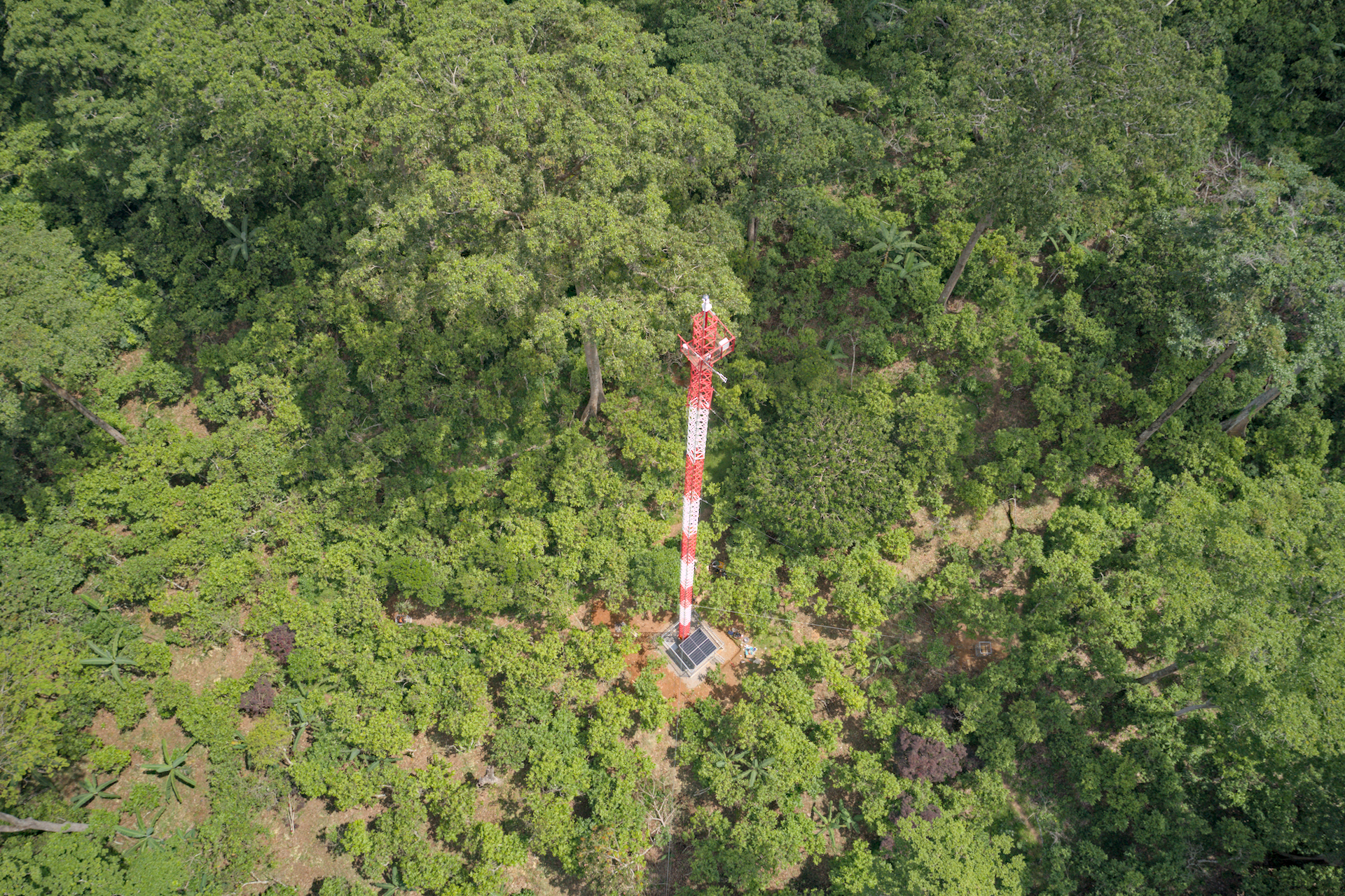
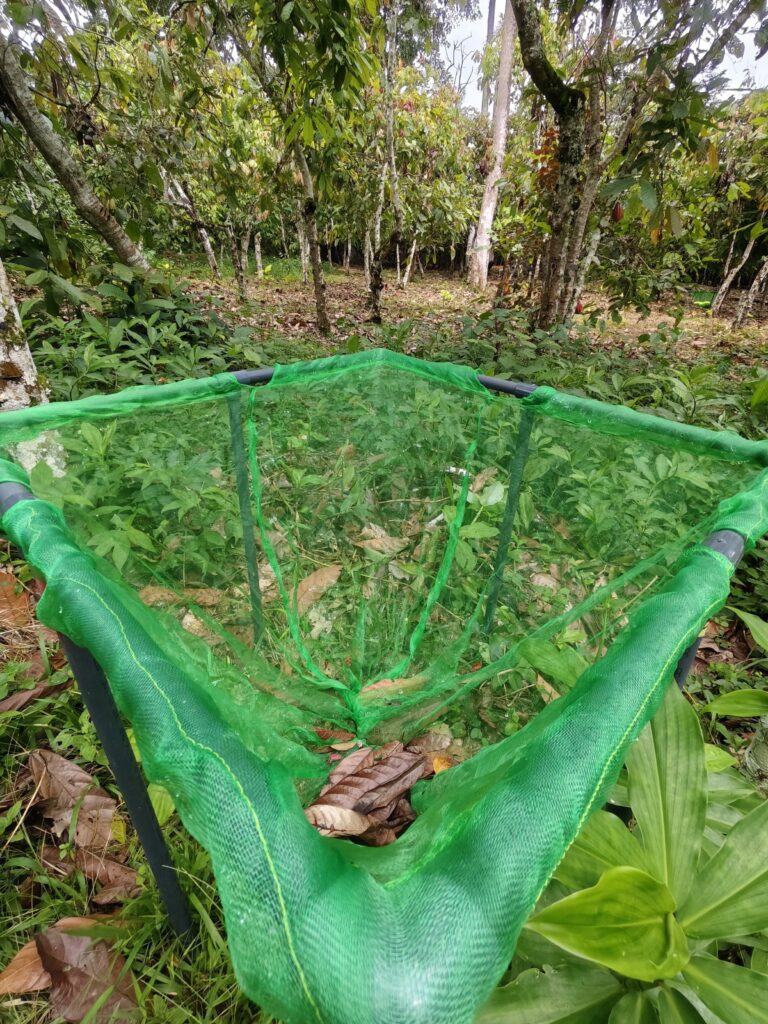
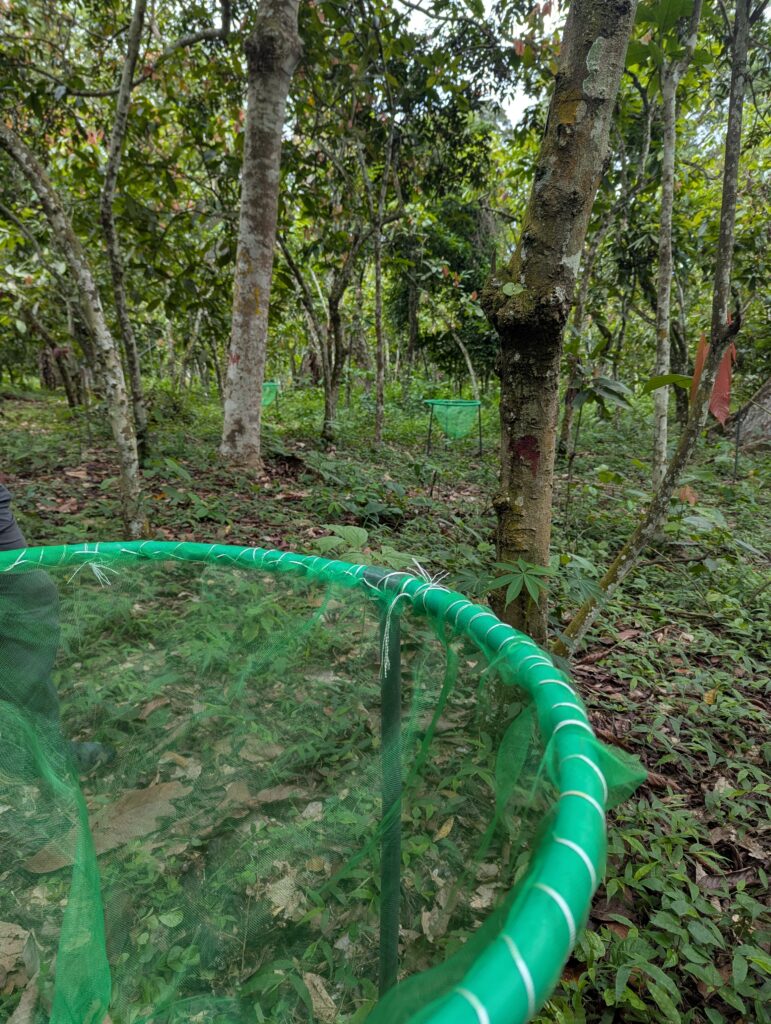
    Since July 2025 we have been collecting the cocoa and shade tree litter at 7 litter traps that were positioned along a 200m transect that follows the footprint of the tower.

    To have better representativeness of litter quantity and dynamics in the landscape surrounding the tower, we have added 30 litter traps of 0.25m2 each over 5 ha surrounding the tower. Their position was randomly selected in two strata (outside of shade tree crowns and below shade tree crowns).
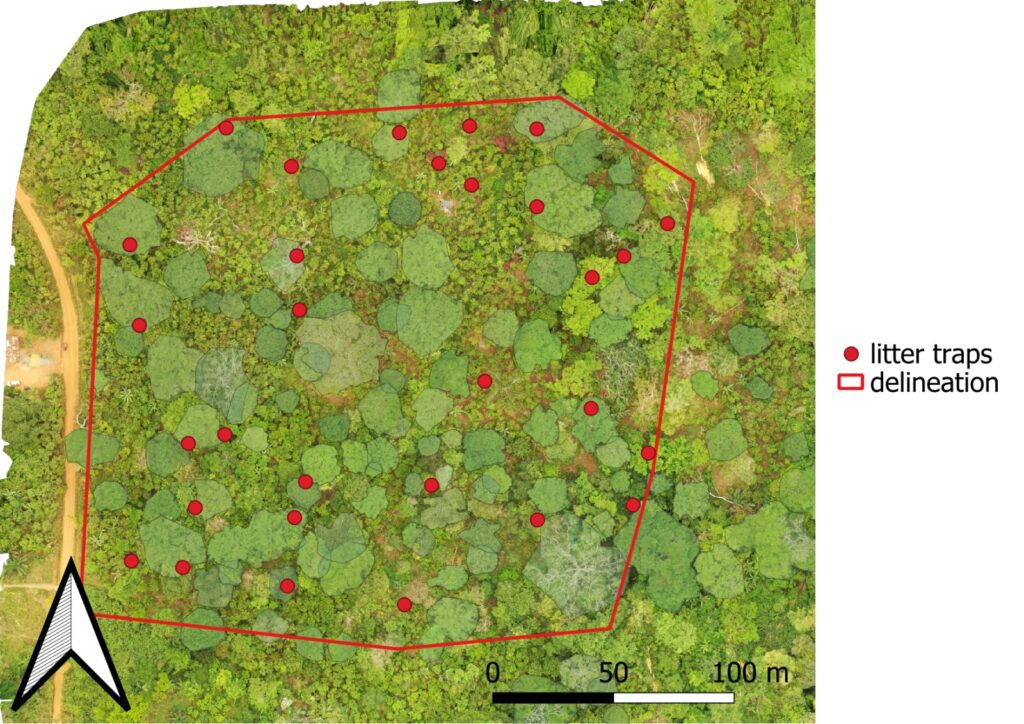
    A map of the 30 litter traps were randomly in two strata: beneath shade tree canopies and outside

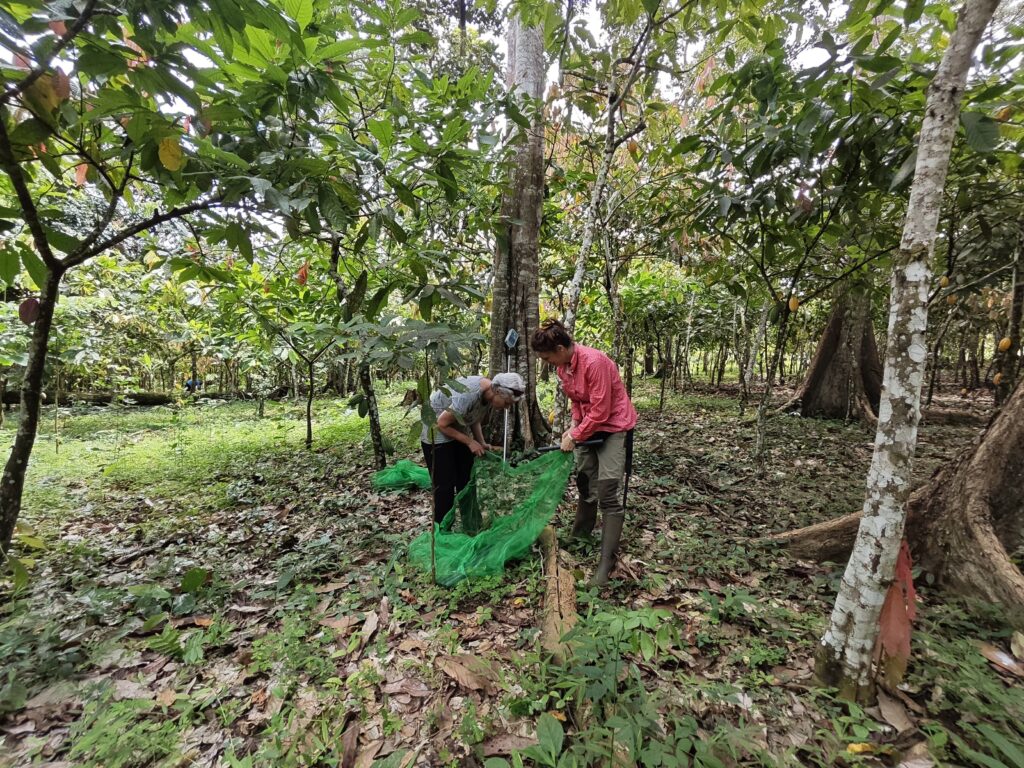
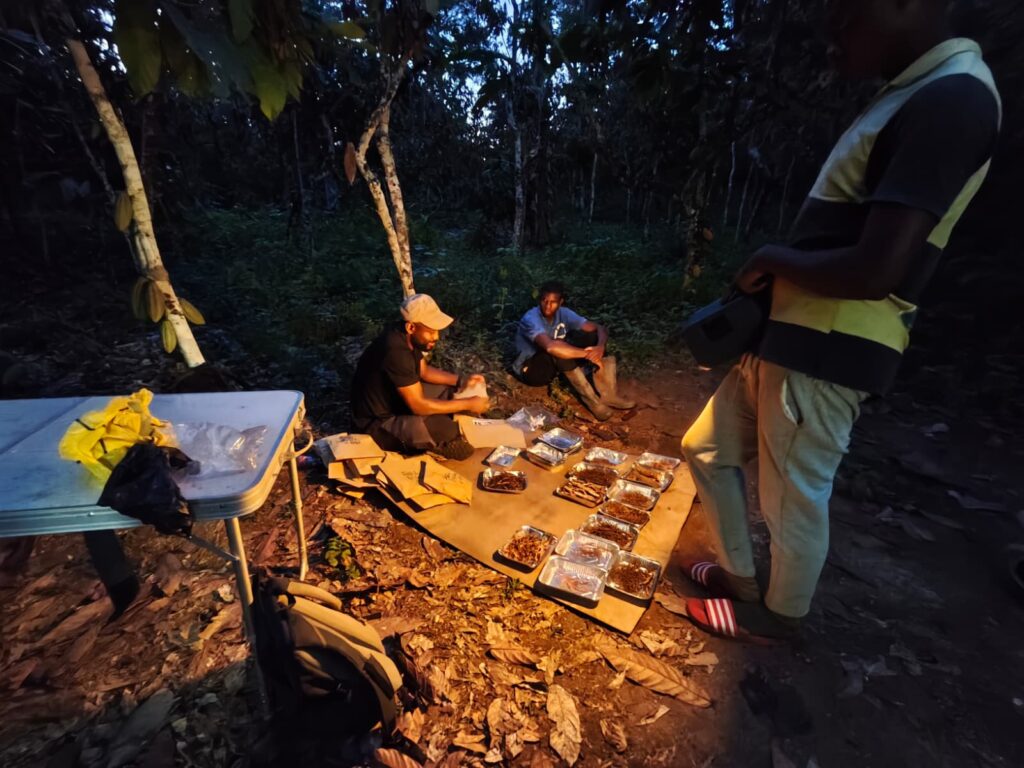
    Every two weeks, André collects the litter and bags it per trap. Then Jean Daniel continues the work in the lab by separating the litter by class (cocoa leaves, shade tree leaves, twigs and branches, reproductive organs), drying it in the oven and weighing it. This will be useful to compare the phenological dynamics that will be observed using drones since we have the positions of the traps and can compare them to neighboring crowns.

    One day we hope that we can find the funding to analyze the nutritional content of this litter and understand a bit better the nutrient exchanges that take place between shade trees and cocoa.
  • Digging deep

    Dig and sift

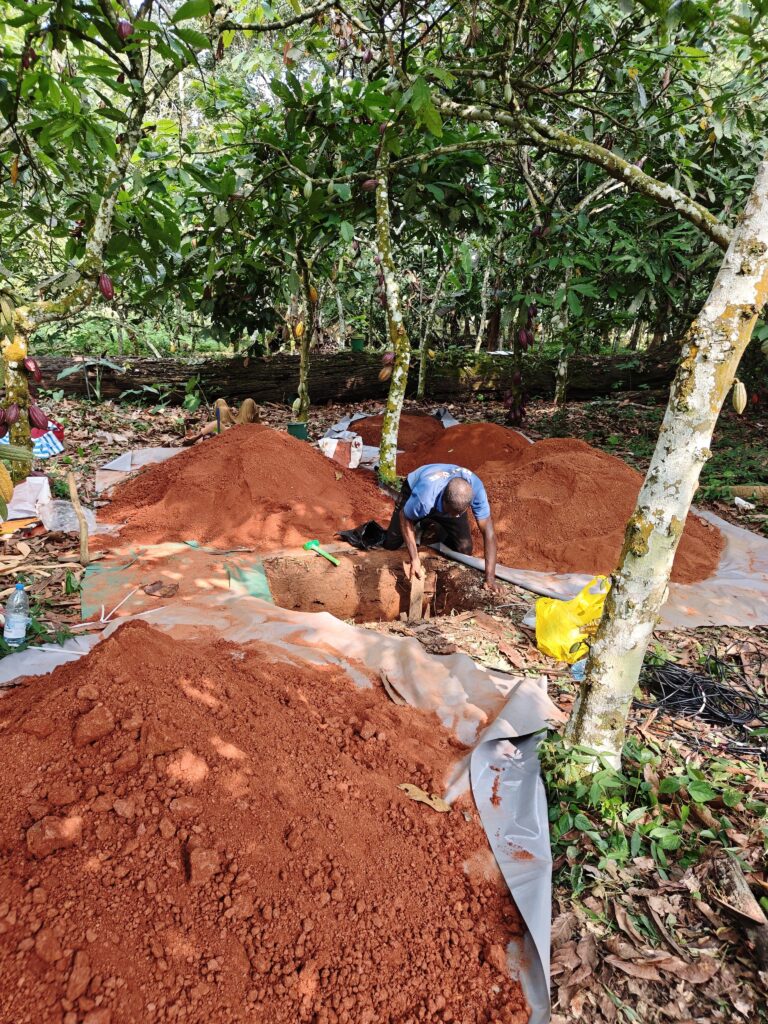
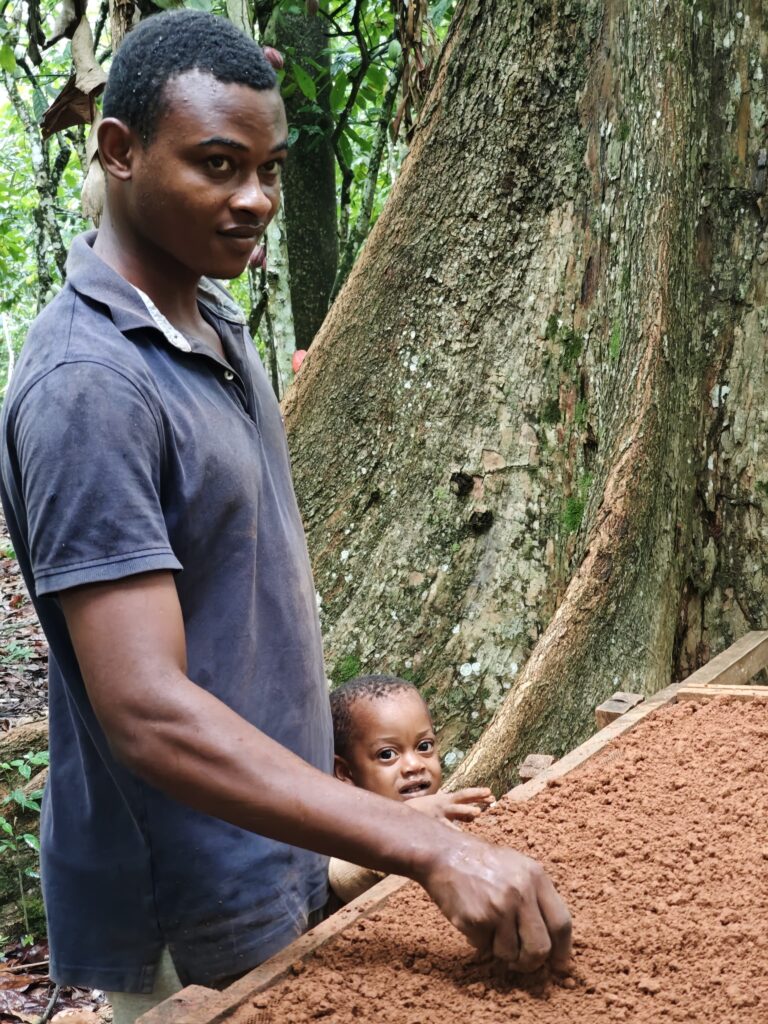
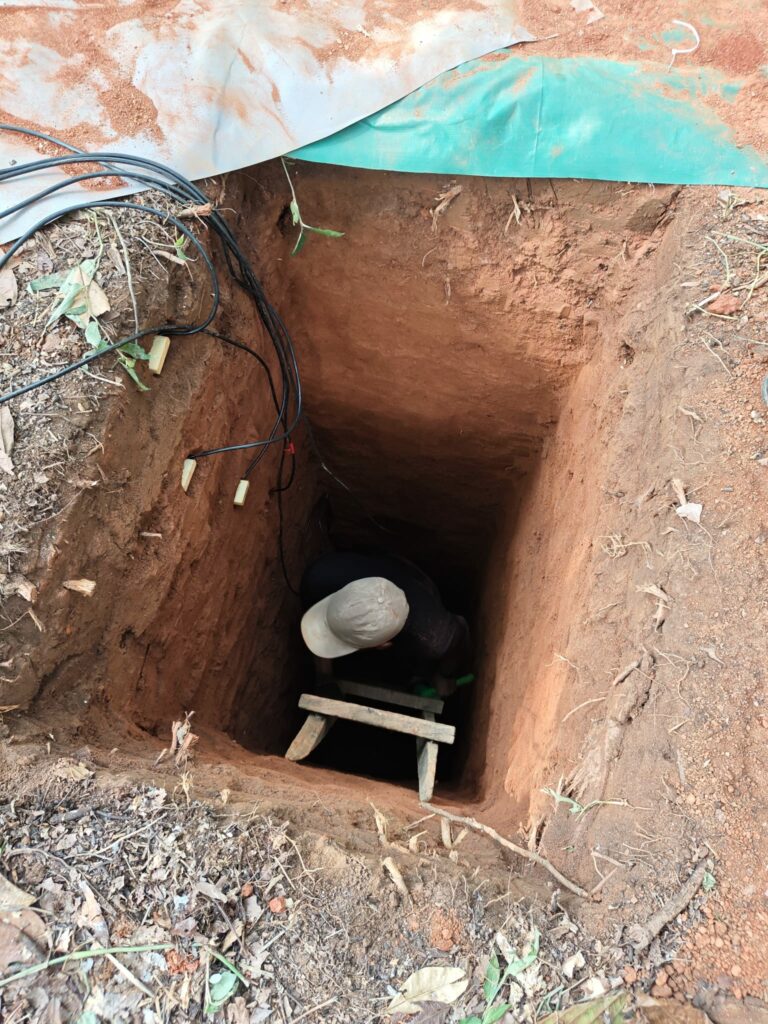
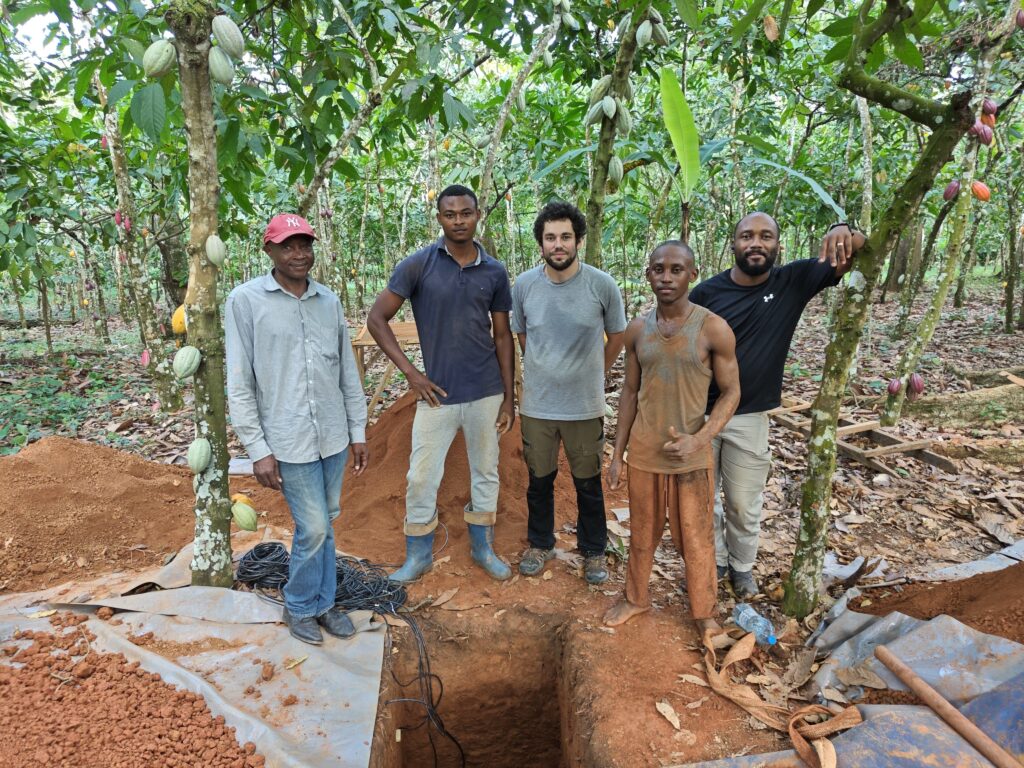
    After the success of last year’s campaign to install CS616 probes and measure root biomass up to 4m deep, we decided to repeat it this year in 3 new pits. Well-diggers Ulrich and Pascal helped dig the pits, while Joseph, Jean-Daniel, Maurice and myself helped with sifting, sorting and cleaning the roots.

    Each pit was 70 x 100 cm wide and 3.5 to 4m deep. The soil from each horizon was sifted on large tables with wire mesh.

    The horizons that we selected were:

    • litter
    • 0-20
    • 20-50
    • 50-100
    • 100-150
    • every 50 cm to 350 or 400 cm

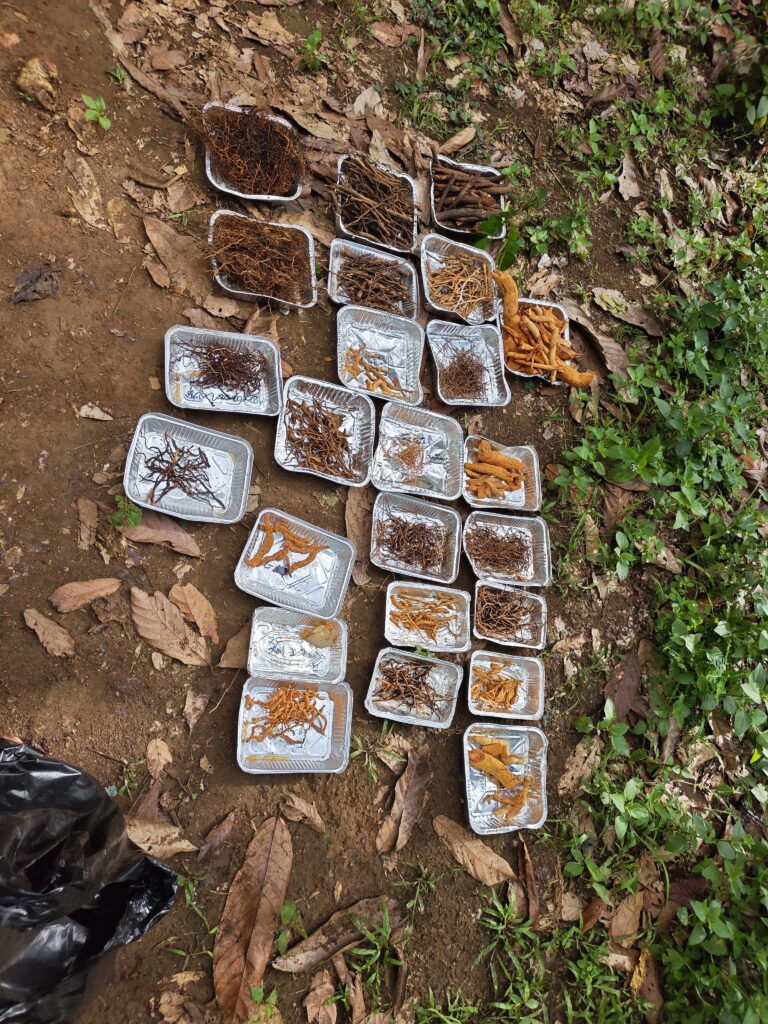
    Roots are separated in 3 classes: fine roots, medium roots and large roots. Only medium roots and large roots were separated per species. Some species are easy to separate from cocoa while others are harder.

    Deeper than ever

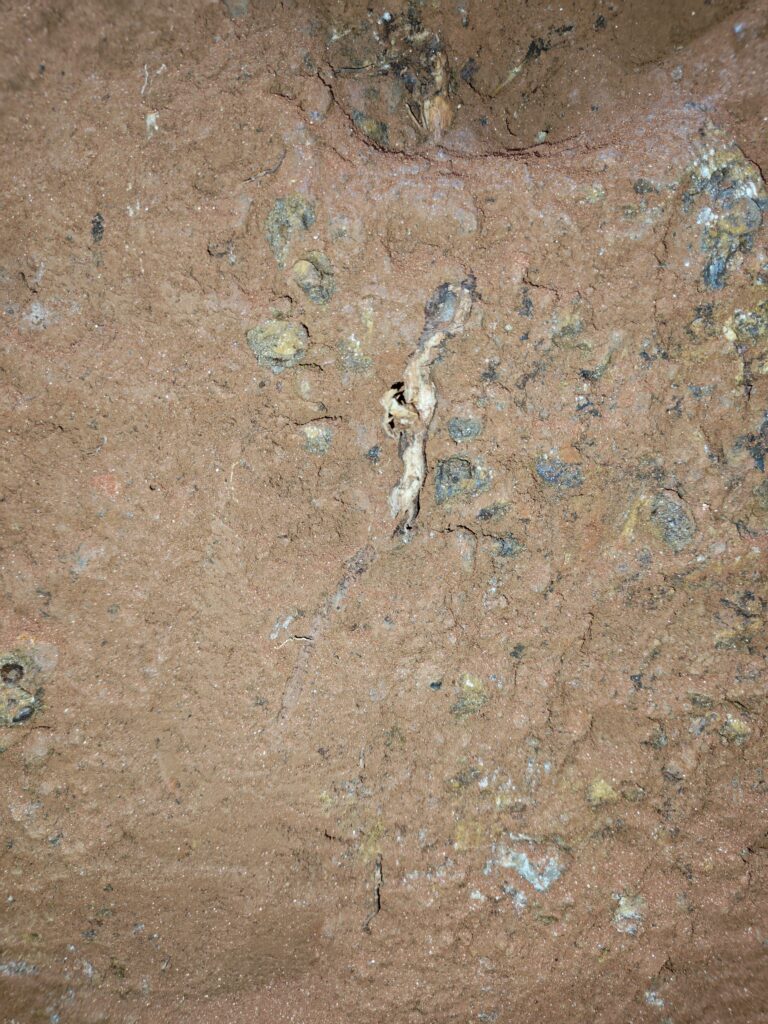
    As last year cocoa roots were found down until 4 m even in the 15 year old plantation. This is deeper than the maximum rooting depth for cocoa found in the literature: 2.5 m. This is functionally significant since it means cocoa trees have access to deep soil water during the dry season (mid-december to march).

    Probing soil water

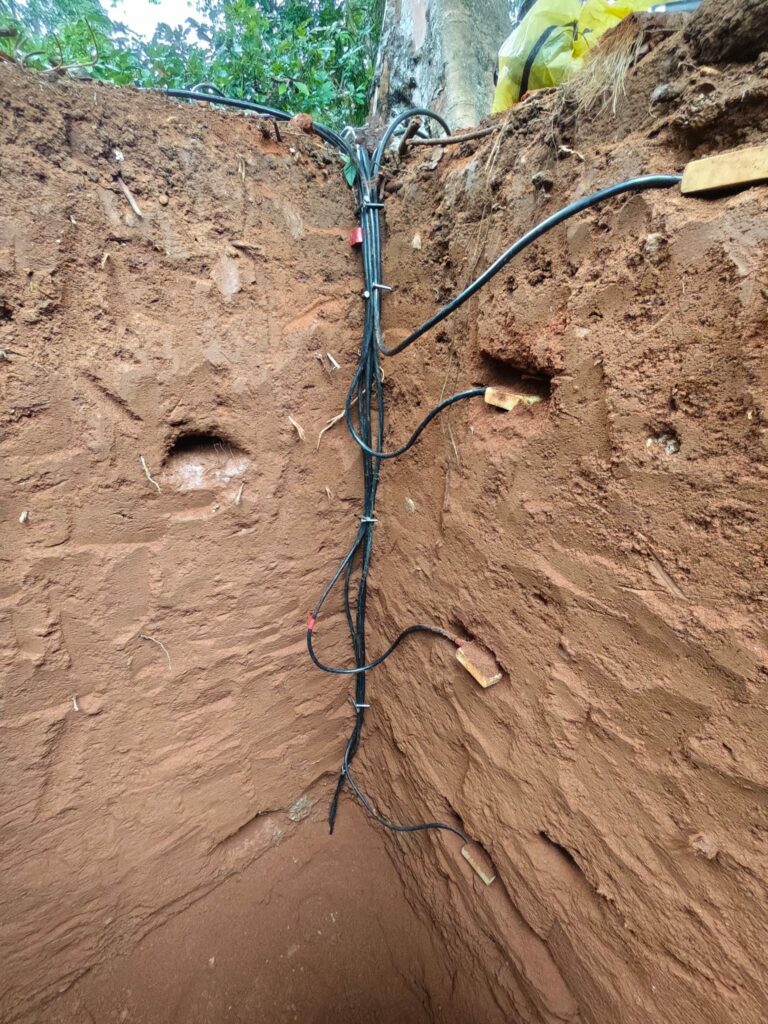
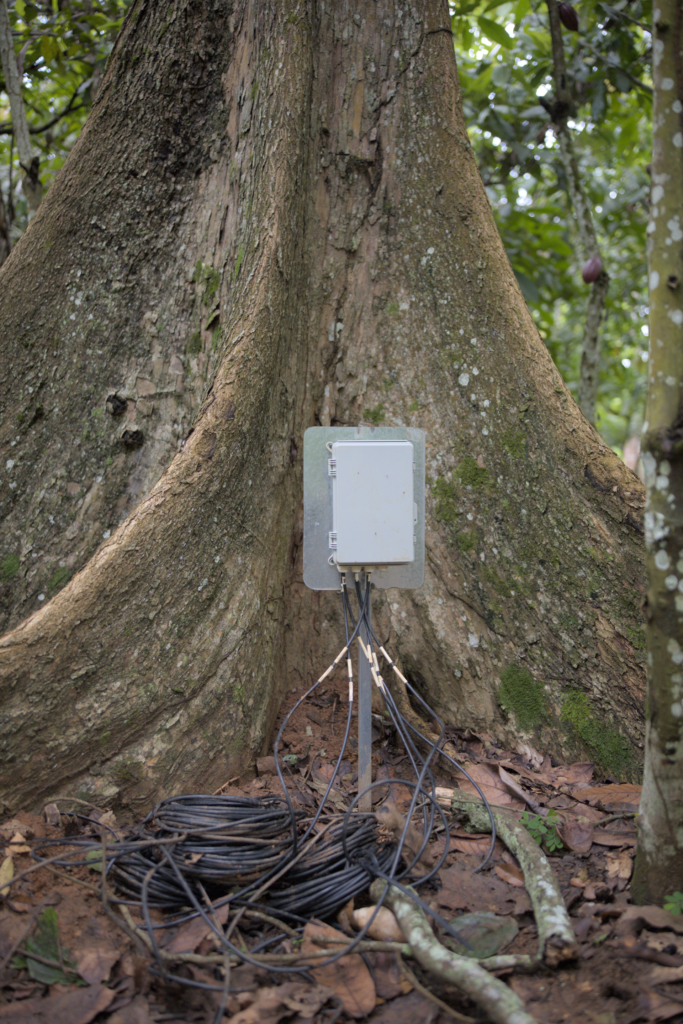
    Once the pits were dug out, Jean Daniel and myself installed the CS616 TDR probes at 6 depths per pit. They were connected to our internally developed dataloggers.